
Pet Care Tips
By Petopia Grooming, Eastgardens — petopiagrooming.com.au
Your dog's grooming routine isn't just about looking cute for Instagram. Behind every brush stroke and bath session, there's real science — and it matters more than most pet parents realise.
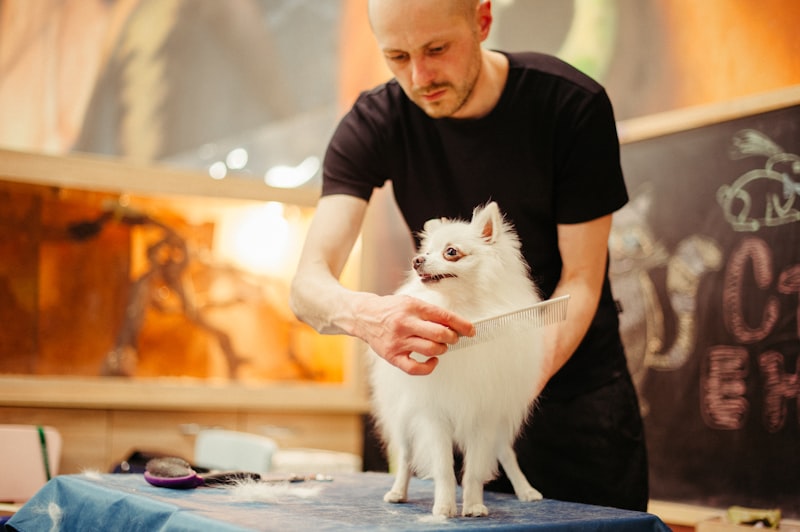
1. Skin & Coat: Your Pet's First Line of Defence
A dog's skin makes up 12–24% of their total body weight — it's the largest organ they have. According to VCA Animal Hospitals, healthy skin acts as a barrier against infections, parasites, and environmental toxins. Regular brushing distributes natural oils (sebum) evenly across the coat, preventing dry patches and reducing the risk of bacterial overgrowth.
A study referenced by Supergroomers Pets Academy found that dogs receiving bi-weekly professional grooming showed a 65% reduction in Malassezia (yeast) colonisation compared to those groomed only once a month. That's not just cleaner fur — it's measurably healthier skin.
💡 Petopia Tip
We use Chris Christensen products specifically formulated to maintain your pet's natural skin pH — gentle enough for sensitive skin, effective enough for deep cleaning.
2. Early Detection: What Your Groomer Sees That You Might Miss
Here's a surprising fact: a typical vet visit lasts 15–20 minutes. A professional grooming session? Over an hour. That's an hour of hands-on contact with every part of your pet's body.
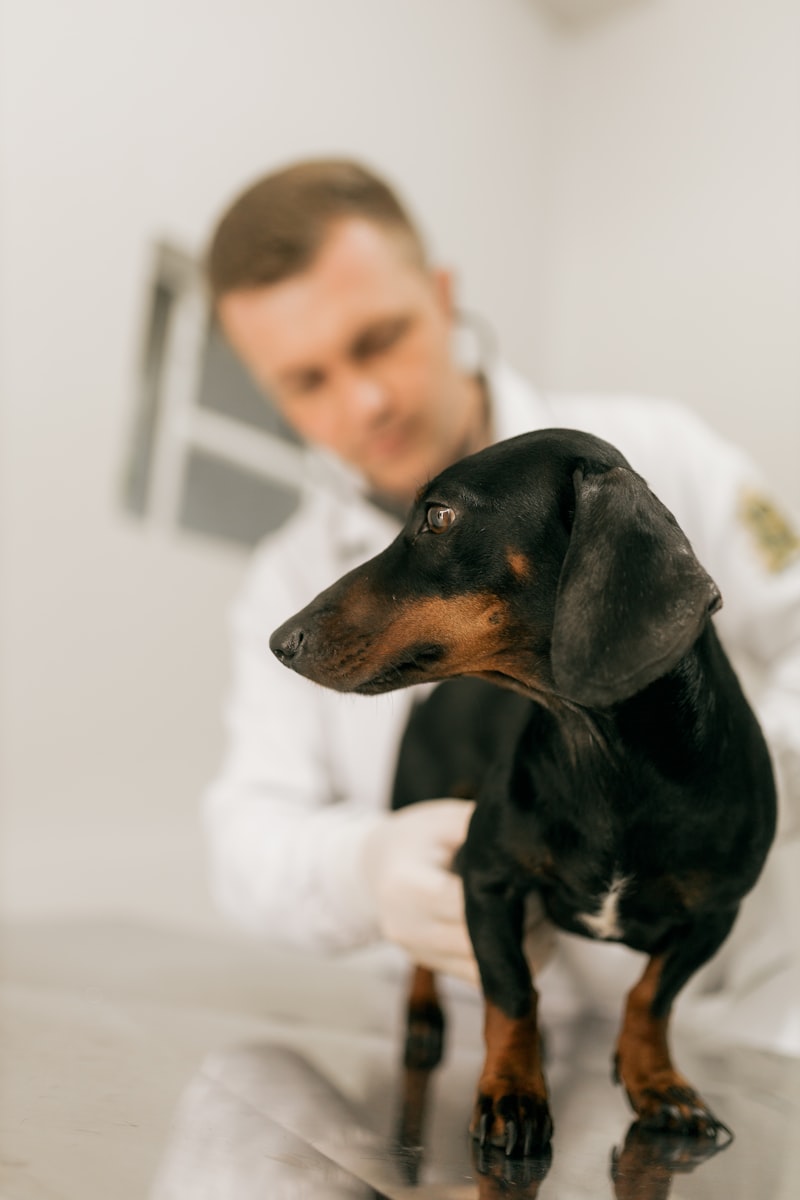
Professional groomers frequently detect issues that even attentive owners miss — unusual lumps, skin lesions, ear infections, dental problems, and early signs of parasites. According to Royal Pets Market, dogs that receive regular professional grooming experience 40% fewer skin problems compared to irregularly groomed dogs.
⚠️ Watch For These Signs
Common conditions caught during grooming: hot spots (red, moist areas hidden under matted fur), ear infections (dark discharge or odour), skin parasites (fleas, ticks, mites), lumps & growths (small bumps needing vet attention), and dental issues (bad breath, swollen gums).
3. Mental Health: The Calming Power of Touch
Grooming isn't just physical care — it's emotional care too. Research published in the Journal of Veterinary Behavior found that consistent grooming reduces cortisol (the stress hormone) in both cats and dogs, particularly when done in a calm, familiar environment.
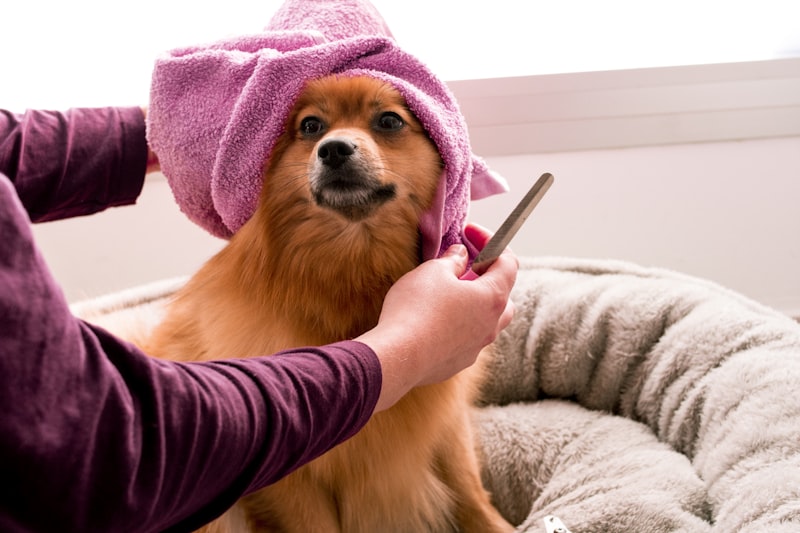
The gentle, repetitive motions of brushing mimic social grooming behaviours seen in wild canine and feline groups. This triggers the release of endorphins — natural feel-good hormones — helping pets relax after stressful events like thunderstorms, fireworks, or vet visits.
💌 Pro Tip
The Australian Veterinary Association (AVA) recommends introducing grooming routines early in a pet's life. Puppies and kittens who experience gentle grooming build lifelong emotional stability and reduced anxiety around handling.
4. Nails, Ears & Teeth: The Often-Forgotten Trio
Overgrown nails aren't just uncomfortable — they alter how your dog walks. Over time, this can lead to joint pain, poor posture, and even arthritis. The American Kennel Club (AKC) recommends nail trims every 3–4 weeks for most breeds.
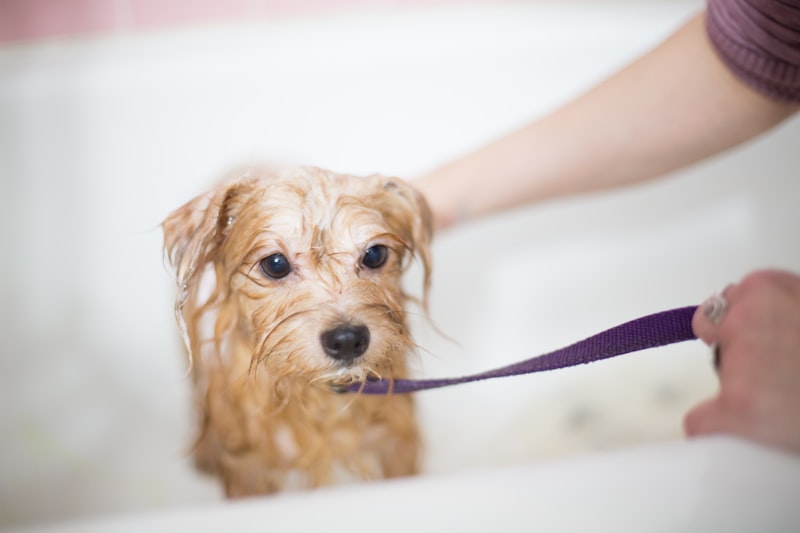
Ear cleaning prevents the build-up of wax and moisture — the perfect breeding ground for infections. Breeds with floppy ears (Cocker Spaniels, Golden Retrievers) are especially prone.
📊 Key Statistic
According to the Australian Veterinary Association, over 80% of dogs show signs of dental disease by age three. Regular brushing and dental checks during grooming can catch problems before they become painful — and expensive.
5. How Often Should Your Pet Be Groomed?
There's no one-size-fits-all answer, but here's a general guide based on veterinary recommendations:
📅 Booking Reminder
Not sure about your pet's specific grooming needs? Our team at Petopia Grooming can create a personalised grooming schedule based on your pet's breed, coat type, and lifestyle.
Ready to Book Your Pet's Next Grooming Session?
Our gentle, experienced team at Eastgardens is here to give your pet the care they deserve.
Book AppointmentReferences & Further Reading
- VCA Animal Hospitals — The Importance of Your Pet's Skin and Coat
- Supergroomers Pets Academy — The Science Behind Dog Grooming
- Fox Creek Veterinary Hospital — The Hidden Health Benefits of Dog Grooming
- Royal Pets Market — How Regular Grooming Helps Detect Health Issues
- Dogster — 7 Vet-Approved Benefits of Regular Dog Grooming
- Australian Veterinary Association (AVA) — Pet Health Guidelines
- Journal of Veterinary Behavior — Cortisol reduction through consistent grooming routines
- American Kennel Club (AKC) — Nail trimming and dental care guidelines
© 2026 Petopia Grooming, Eastgardens — petopiagrooming.com.au


