
By Petopia Grooming, Eastgardens
Helping Your Anxious Pet Through Their First Grooming Experience
March 28, 2026 · 7 min read
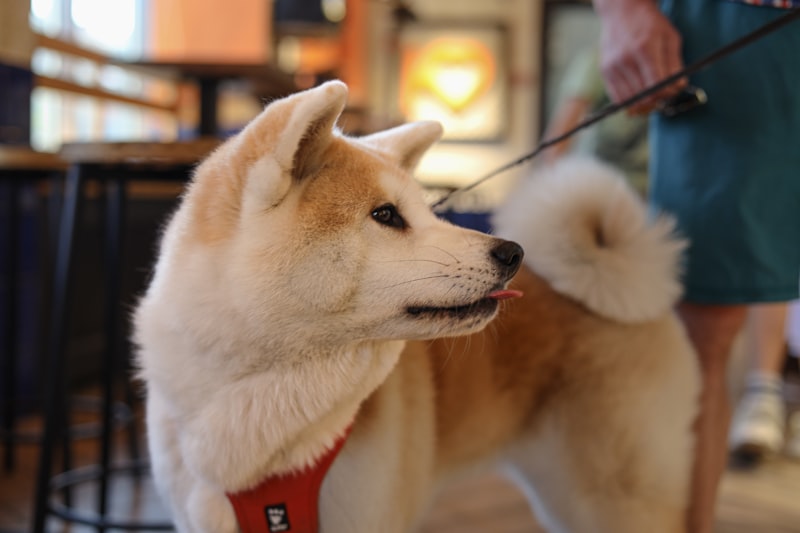
A dog trembling at the sound of clippers. A cat flattening its ears the moment it steps into an unfamiliar room. If you've seen your pet react this way, you're not alone — grooming anxiety is one of the most common concerns pet owners bring up before their first appointment.
The good news? With a little preparation and the right approach, most pets learn to feel safe — and even relaxed — during grooming. This guide will walk you through practical, evidence-based steps to make that first visit as smooth as possible.
☆ Good to Know
Studies show that early, positive grooming experiences significantly reduce stress-related behaviours in adult pets. Starting right makes a lifelong difference.
1. Start at Home — Before the Appointment
The best thing you can do for an anxious pet is to begin desensitisation at home, well before the grooming appointment. This means gently exposing your pet to the sensations they'll experience during grooming:
- Touch their paws daily — gently press each toe pad, mimic the feeling of nail clipping.
- Lift their ears — peek inside, touch around the ear canal area (without inserting anything).
- Run a brush lightly over their body, even if they don't need detangling yet.
- Play clipper or dryer sounds on low volume from your phone while giving treats.
This technique is known as desensitisation and counterconditioning — pairing a potentially scary stimulus with something positive (like treats or calm praise). Research by Vaterlaws-Whiteside & Hartmann (2022) found this method significantly reduces fear responses in companion animals when applied consistently over time.
★ Pro Tip
Start home desensitisation at least 2 weeks before the first grooming appointment. Short, 2–3 minute daily sessions work better than one long practice. Always end on a positive note with a high-value treat.
The goal isn't to simulate a full groom at home. It's to make the sensations familiar and safe, so when they encounter them in the salon, they're not meeting everything for the first time.
2. What to Tell Your Groomer
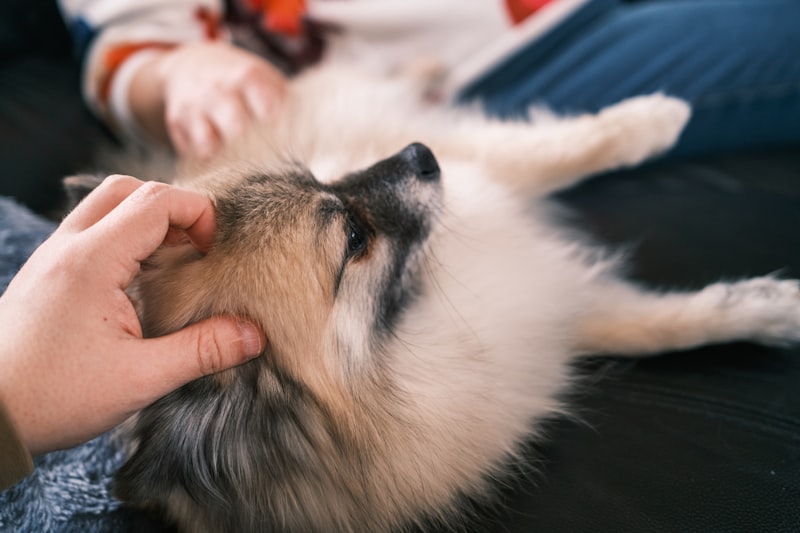
Your groomer isn't a mind reader — and every pet is different. Before the first appointment, share as much detail as you can:
- Previous grooming experience — Has your pet been groomed before? What went well or badly?
- Sensitive areas — Does your pet dislike having their feet, face, or rear end touched?
- Reaction to water, dryers, or loud noises — Some pets tolerate water but panic at the dryer, or vice versa.
- Health issues — Arthritis, skin conditions, previous injuries, or vision/hearing loss can all affect how a pet responds to being handled.
☆ Helpful Hint
At Petopia, we always start with a pre-groom chat. If your pet has specific triggers or quirks, write them down — it's easy to forget in the moment, and even small details help us adapt our approach.
3. Signs of a Groomer Who Puts Your Pet First
Not all grooming salons are equal. A fear-aware groomer will:
- Not rush — They allow time for the pet to settle rather than jumping straight into the groom.
- Let the pet explore — Sniffing the table, the tools, and the room helps reduce anxiety.
- Use gentle restraint — Firm enough to be safe, soft enough not to cause panic.
- Communicate after the session — A good groomer will tell you how it went, what your pet handled well, and what to work on before next time.
Research on fear-free handling in veterinary and grooming settings (Riemer et al., 2021) shows that animals handled with patience and low-stress techniques show fewer stress signals and are more cooperative in future visits.
⚠ Warning Signs
If a groomer dismisses your concerns, insists on completing every task despite visible distress, or uses heavy physical restraint, these are red flags. Your pet's emotional safety matters just as much as the haircut. Don't be afraid to walk away.
4. What If Your Pet Is Really Struggling?
Some pets need a slower, more gradual approach. If your pet is extremely anxious, we recommend splitting the grooming process across multiple visits — building confidence step by step, rather than overwhelming them with a full groom on day one.
★ Pro Tip
Book each visit 2–3 weeks apart so your pet retains the memory of the positive experience. Too long between visits resets progress; too short doesn't give them time to decompress.
This isn't a sign of failure — it's smart, compassionate grooming. Many of the calmest, happiest dogs and cats we groom today started exactly this way.
5. For Kittens and Puppies — Start Early, Start Gently
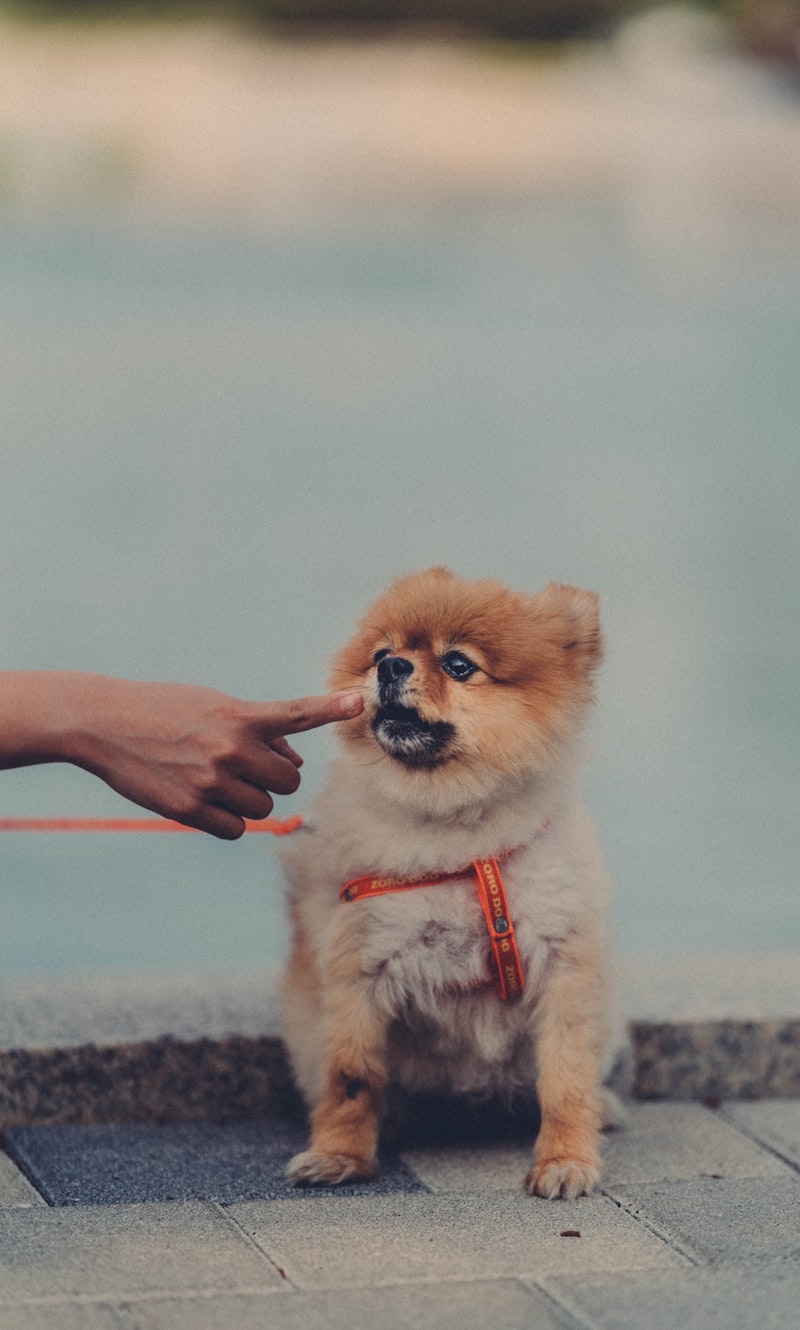
The 8–16 week critical socialisation window is your best opportunity to introduce grooming in a way that sticks. According to the American Veterinary Medical Association (AVMA, 2024), puppies and kittens exposed to a variety of gentle, positive experiences during this period develop better coping skills for life.
For young animals, the first grooming visit doesn't need to include a full service. A "puppy introduction" or "kitten intro" session — where the groomer simply handles the animal, turns on tools nearby, and offers treats — can be more valuable than any haircut.
⚠ Cats Need Extra Care
Cats are generally more sensitive to environmental changes than dogs. They may need more time to adjust to the salon environment. Consider a mobile grooming option for extremely anxious cats, or ask about quiet, low-traffic appointment times.
☆ Puppy & Kitten Checklist
Before their first salon visit, make sure your young pet is comfortable with: being held, having paws touched, gentle brushing, the sound of running water, and being on an elevated surface. Practice these at home first!
It's OK to Be Worried
If you're reading this article, it means you care deeply about your pet's wellbeing. That instinct matters. Trust it.
Grooming doesn't have to be a stressful experience — not for your pet, and not for you. With the right preparation, the right groomer, and a willingness to go at your pet's pace, that first appointment can be the start of something genuinely positive.
At Petopia Grooming in Eastgardens, Sydney, we see anxious pets every week — and we see them transform. We'd love to be part of your pet's journey too.
References
- Vaterlaws-Whiteside, H., & Hartmann, E. (2022). Improving the human–animal relationship through desensitisation and counterconditioning. Animals, 12(6), 764.
- Riemer, S., et al. (2021). Fear-free handling of companion animals in veterinary and grooming settings. Animals, 11(11), 3073.
- American Veterinary Medical Association. (2024). Socialisation of puppies and kittens. AVMA Guidelines.
© 2026 Petopia Grooming · Eastgardens, Sydney


